
Sedation Dentist Abilene
The Secret to a Smooth Dental Visit

If you’d rather be anywhere else in the world than seated in the dentist’s chair, you aren’t alone. Many patients these days suffer from dental-related anxiety, but thankfully, Dr. J. Hawley and Dr. R. Hawley know the secret to a smooth and stress-free dental visit: sedation dentistry in Abilene. It’s also ideal for those who have trouble remaining seated for longer periods of time as well as people who have particular needs or disabilities. To learn more about how sedation dentistry can help you during your next visit, give 325 Dentistry a call today.
Why Choose 325 Dentistry for Sedation Dentistry?
- Numerous Dental Sedation Options Available
- Friendly and Accommodating Dental Staff
- Abilene’s Most Trusted Prosthodontist Since 1996
Oral Conscious Sedation

Whether you require a routine checkup and cleaning or must undergo a lengthier or more complex procedure, you’re not alone if you’re feeling anxious about an upcoming dental visit. Many people get nervous when it comes to dental work, but if you’re overly afraid, you might avoid scheduling potentially smile-saving treatments.
Fortunately, our compassionate team in Abilene offers multiple types of sedation, including oral conscious medications, that can help you feel calm and comfortable throughout your appointment. Continue reading to learn more about this service and who it might benefit!
Read MoreWhat is Oral Conscious Sedation
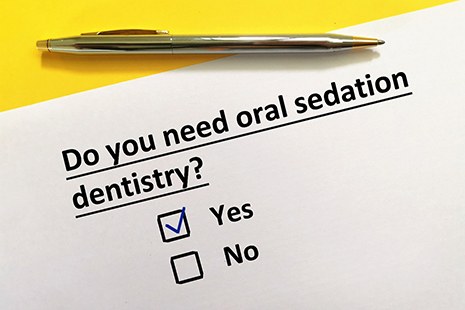
Unlike nitrous oxide, which is administered through a gas mask placed over your nose while we work, this medication is prescribed as a pill that you’ll be instructed to take before arriving for your appointment. This helps ensure that the effects of the drug kick in by the time you sit in the dental chair and we begin your procedure.
There are different medications that might be offered, such as Valium, Ativan, or Halcion. Most patients can expect to notice the effects within about 15 minutes of swallowing the pill and to feel a deep sense of relaxation. Some patients also report a sensation of heaviness in their limbs.
How Does Oral Conscious Sedation Work?

The effects of this type of sedative tend to be stronger and last longer than with nitrous oxide (laughing gas). If you’re concerned that you’ll share all your secrets or be rendered unconscious, you can set your fears aside. This option is intended to help you feel at ease while staying aware, so you can respond to our team’s questions or directions. It doesn’t usually ‘knock you out’, but some patients become so relaxed that they inadvertently drift off during their procedure.
The effects can remain in your system for the rest of the day, so we typically recommend arranging to have someone drive you home when your treatment is complete.
Who is a Good Candidate for Oral Conscious Sedation?

Potentially, anyone feeling anxious about an upcoming appointment or treatment might benefit from oral conscious sedation, but that doesn’t automatically mean everyone is a good candidate for this service. Our team might recommend this medication for patients who:
- Suffer from severe dental anxiety.
- Have a sensitive gag reflex that hinders treatment.
- Frequently reschedule visits due to nervousness.
- Struggle to sit still for longer periods.
- Have multiple procedures or a lengthier treatment to undergo.
- Are resistant to local anesthesia.
- Have had negative dental experiences in the past.
Nitrous Oxide Sedation
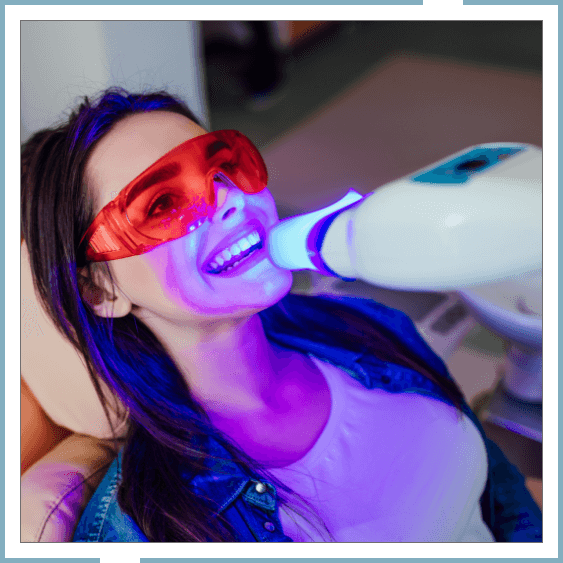
Also known as “laughing gas,” nitrous oxide is one of the most accessible forms of sedation, and it’s perfect for patients with mild to moderate dental anxiety, or those undergoing minor procedures. It’s administered with a mixture of oxygen through a nasal mask, and it makes the entire experience in the dental chair quite pleasant thanks to the feelings of warmth and pleasantness it causes. Better yet, patients can resume their day following their appointment since its effects wear off within minutes of treatment ending.
Sedation Dentistry FAQs
Is dental sedation considered safe?
Many people worry that this service will inevitably harm their general well-being, but that’s thankfully not usually the case. Our office offers two options: nitrous oxide (laughing gas) and oral conscious sedation (in pill form). Fortunately, most patients can tolerate these medications without complications, so they’re typically considered safe when administered by a licensed professional, such as one of our dentists in Abilene.
For example, nitrous oxide has been used as a dental sedative for over 180 years, and its effects are well-documented. In fact, sources estimate that only about 5% of patients will experience potential adverse outcomes.
What does dental sedation feel like?
Some folks worry that they’ll be rendered unconscious, laugh hysterically throughout their visit, or share all their deepest, darkest secrets while under sedation. But the truth is that these medications aren’t intended to ‘knock you out’. Instead, they’re designed to help you feel calmer and more comfortable while remaining awake and aware enough to respond to our team’s questions or instructions.
Laughing gas is considered the milder option and induces a sense of relaxation and euphoria that might give you a case of the giggles. Oral conscious sedation might cause your limbs to feel weighted or heavy, and though it’s not meant to put you to sleep, you might feel so at ease that you doze off during your procedures.
Will I remember my appointment after being sedated?
Generally, dental sedation hinders your body’s ability to respond to external stimuli so that you feel more relaxed for your appointment and can complete your procedure successfully. Technically, you’ll be awake, but these medications often induce a temporary amnesia that makes it difficult to recall the specifics of your visit after the fact.
Oral conscious sedation lingers longer in the system and may be more likely to cause this short-term memory loss, but it can also occur with nitrous oxide. Many patients in Abilene with more severe dental anxiety consider this side effect to be yet another advantage of undergoing dental sedation.
What are the potential risks of dental sedation?
Dental sedation is considered safe for most people, but as with any medication, it does present potential risks. For instance, you might experience complications if you suffer from sleep apnea or take certain prescription medications that might have a negative reaction. You might also feel other common side effects, such as drowsiness, dizziness, dry mouth, headaches, or nausea, though these symptoms are often mild and short-lived.
Our team will update your medical history and list any current prescriptions or supplements that you take regularly to avoid potential complications.